An In-Depth Look at Regulated Gambling Across U.S. States
Written by Paul Hartmann · Oct 1, 2026
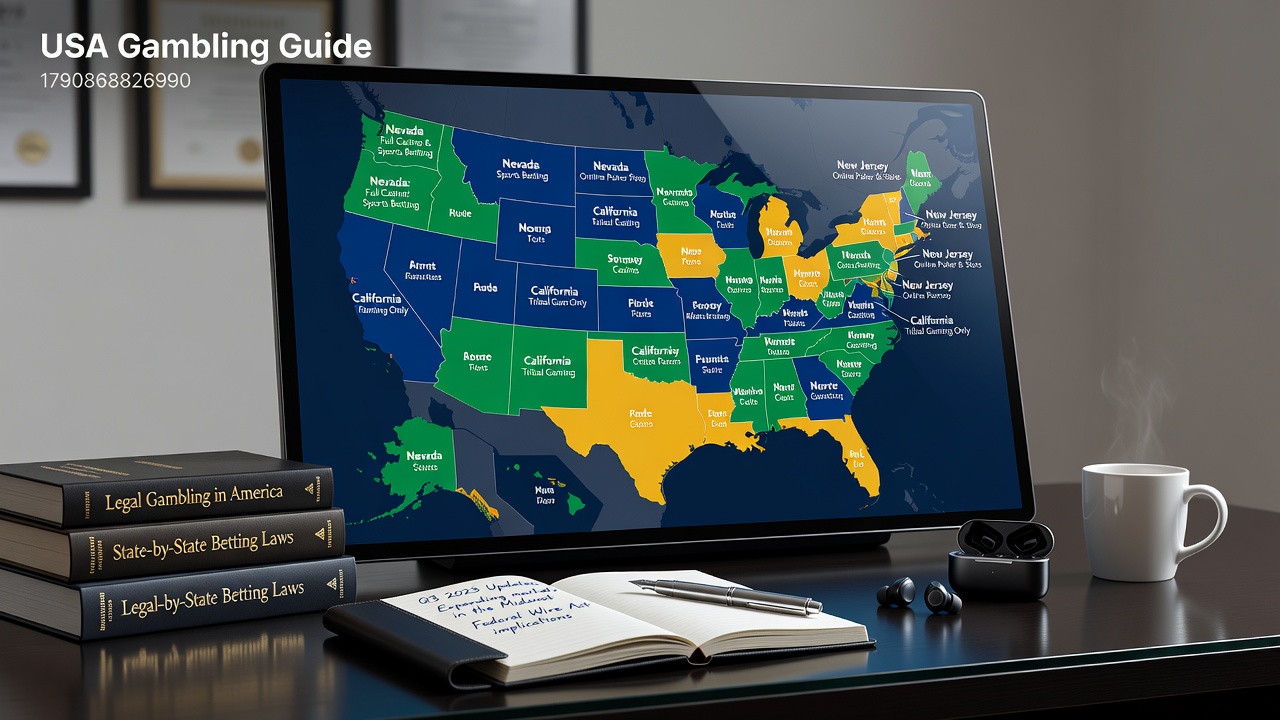
An In-Depth Look at Regulated Gambling Across U.S. States
Legal gambling in the United States operates under a patchwork of state laws that determine where casinos, sports betting, lotteries, and online platforms can function, and observers note that this framework continues to evolve as legislatures address new technologies and market demands. Data from the American Gaming Association shows that commercial gaming revenue reached significant levels in recent years, driven by expansions in sports betting and iGaming sectors across multiple jurisdictions. States like New Jersey and Pennsylvania have established robust regulatory systems that permit mobile betting apps, while others maintain stricter limits on land-based venues only.
Key Regulatory Structures by Region
States in the Northeast and Mid-Atlantic regions often lead in integrated online and retail offerings, whereas Western and Southern states tend to focus on tribal compacts or lottery operations, and this variation creates distinct player experiences depending on location. Researchers at the National Conference of State Legislatures have documented how over 30 states now permit some form of sports wagering following the 2018 Supreme Court decision, yet the pace of implementation differs widely. For example, Ohio launched its sports betting market in 2023 with both retail and online options, generating consistent tax revenue that funds public programs.
October 2026 brought continued growth in several markets as operators adapted to updated compliance requirements around geofencing and age verification, and figures from industry reports indicate steady increases in handle across legal channels. Those who track regulatory filings observe that tribal nations in states such as California and Washington maintain independent agreements that allow casino gaming without overlapping with commercial licenses.
Online Platforms and Mobile Access
Mobile gambling apps have expanded rapidly in states that authorize them, connecting users to live dealer tables, poker rooms, and sportsbooks through secure state gateways that enforce responsible gaming tools. Evidence from regulatory filings reveals that platforms must integrate self-exclusion lists and deposit limits to meet licensing standards, and this requirement applies uniformly in active markets. Players in states without full online authorization often cross state lines to access nearby retail locations, while digital options remain unavailable until legislation changes.
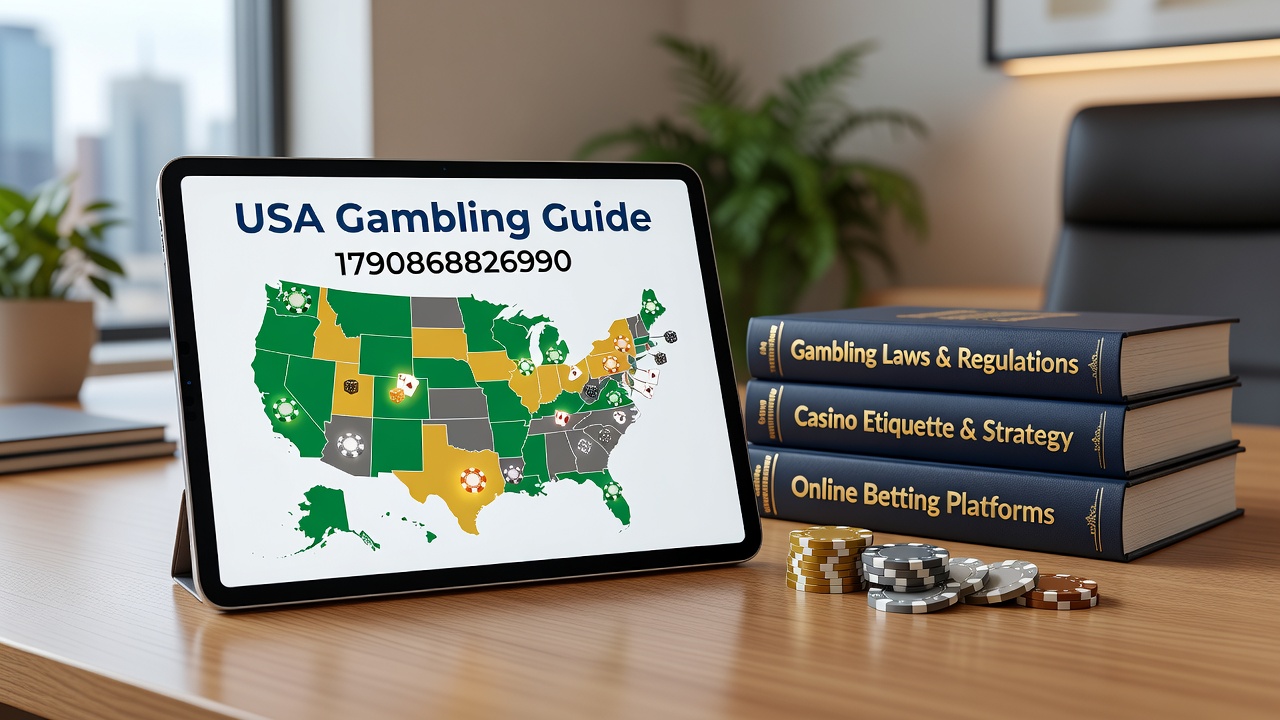
What's interesting is how age verification technologies have adapted across different legal frameworks, using methods such as government ID uploads and facial recognition in some jurisdictions, and studies from academic institutions confirm these tools reduce underage access effectively. One study revealed that states with stricter verification protocols report lower rates of compliance issues compared to those with lighter requirements.
Responsible Gaming Measures and Player Protections
Every licensed operator must adhere to state-mandated responsible gaming protocols that include algorithmic adjustments in digital games to promote safer play, and these features range from session time reminders to personalized risk assessments. Data indicates that states coordinate with organizations like the National Council on Problem Gambling to provide resources and helplines, and this collaboration supports consistent standards nationwide. Observers note that promotional structures in regulated networks often include mandatory disclosures about odds and potential risks, which appear in app interfaces and marketing materials.
Case studies from multi-state operators demonstrate how bonus eligibility rules vary by jurisdiction, requiring players to navigate different wagering requirements when moving between platforms. There's this case where experts found that linking regional regulations to poker strategy adaptations helped users stay compliant while maximizing legal opportunities.
Future Developments and Market Trends
Projections for late 2026 suggest further integration of live dealer experiences and interstate compacts that could expand access for users in additional states, and analysts point to ongoing discussions in legislatures about potential new market entries. Government data from sources like the U.S. Census Bureau's economic reports highlight the employment and tax contributions from licensed gambling facilities, underscoring their role in state economies. Yet challenges remain around unregulated offshore sites that continue to attract some players despite legal alternatives.
Conclusion
The landscape of regulated gambling in the United States reflects a balance between state autonomy and industry growth, with each jurisdiction shaping its own rules around access, technology, and player safeguards. As markets mature through October 2026 and beyond, data from trade associations and academic sources continues to inform policy adjustments that affect millions of participants annually. Those who follow these developments can reference official state gaming commission websites for the most current licensing and operational details.