Navigating Legal Gambling Access Across U.S. States in 2026
Written by Ben Hansen · Aug 7, 2026
Navigating Legal Gambling Access Across U.S. States in 2026
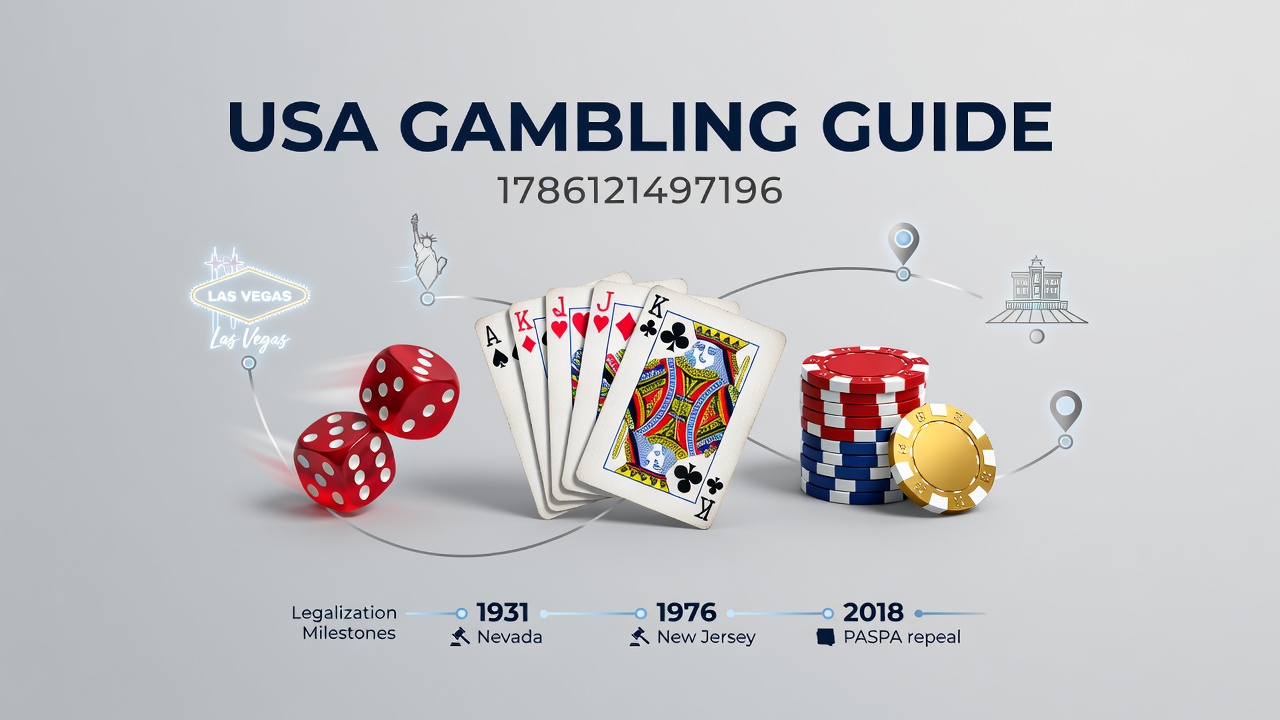
Legal gambling in the United States operates under a complex framework of federal guidelines and state-specific regulations that have evolved significantly since the 2018 Supreme Court decision on sports betting, and observers note that by August 2026 many jurisdictions have expanded their offerings while maintaining strict compliance standards.
State-by-State Regulatory Variations
Each state sets its own rules for casino operations, sports wagering, lottery games, and online platforms, which means residents in neighboring areas often face entirely different legal environments, and researchers from organizations like the National Conference of State Legislatures have documented how these differences shape everything from licensing requirements to tax structures.
Some states such as Nevada and New Jersey maintain mature markets with long-established casino floors and mobile betting apps, whereas others like California continue to navigate tribal compacts and legislative debates that determine the pace of expansion, and data from the American Gaming Association shows consistent growth in states that have completed full legalization processes.
Key Forms of Legal Gambling Available
Sports betting has become one of the most visible categories since the repeal of the Professional and Amateur Sports Protection Act, with dozens of states now permitting both retail and digital options through licensed operators, while lottery systems remain the most widespread form across all fifty states and the District of Columbia.
Casino gaming includes both commercial venues and tribal facilities authorized under the Indian Gaming Regulatory Act, and these operations generate substantial revenue that supports state budgets and tribal communities, according to figures compiled by the National Indian Gaming Commission.
Online poker and live dealer tables appear in a smaller subset of states, often tied to specific licensing pathways that require geofencing and age verification technologies to enforce boundaries, and industry reports indicate continued adoption of these features as more platforms launch.
Online and Mobile Platform Expansion
Mobile applications have accelerated access in states that permit internet-based wagering, and operators must integrate state-specific gateways along with responsible gaming tools such as deposit limits and self-exclusion lists, according to compliance guidelines issued by various state gaming control boards.
Geofencing technology ensures that users can only place bets while physically located within approved borders, and this technical requirement has become standard across interstate networks that connect multiple jurisdictions under shared regulatory agreements.
Responsible Gaming Measures and Player Protections
State mandates frequently require operators to implement algorithmic features that detect patterns of excessive play and offer resources for problem gambling support, and these protocols align with broader public health initiatives tracked by groups such as the National Council on Problem Gambling.
Age verification systems vary by jurisdiction yet share common goals of preventing underage participation through document uploads, biometric checks, and third-party database cross-references, and studies from academic institutions have examined how these technologies perform across different demographic groups.
Current Market Indicators as of August 2026
Handle figures and revenue reports continue to reflect steady participation in legalized channels, with igaming segments showing particular strength in states that authorize full online casino experiences, and trade associations publish monthly updates that allow analysts to track regional differences in growth rates.
Bonus structures and promotional offers remain subject to strict eligibility rules that differ by state, which encourages players to review terms carefully before engaging with new platforms, and legal experts emphasize the importance of understanding these variations to maintain compliance.
Conclusion
The landscape of legal gambling in the United States continues to develop through ongoing legislative activity and technological adaptation, and individuals seeking to participate benefit from consulting official state resources and licensed operators to ensure activities remain within approved parameters.