Regional Compliance Rules Shaping Interface Elements Across Mobile Betting Platforms for Poker and Slots
Written by Devon Butler · Nov 12, 2026
Regional Compliance Rules Shaping Interface Elements Across Mobile Betting Platforms for Poker and Slots
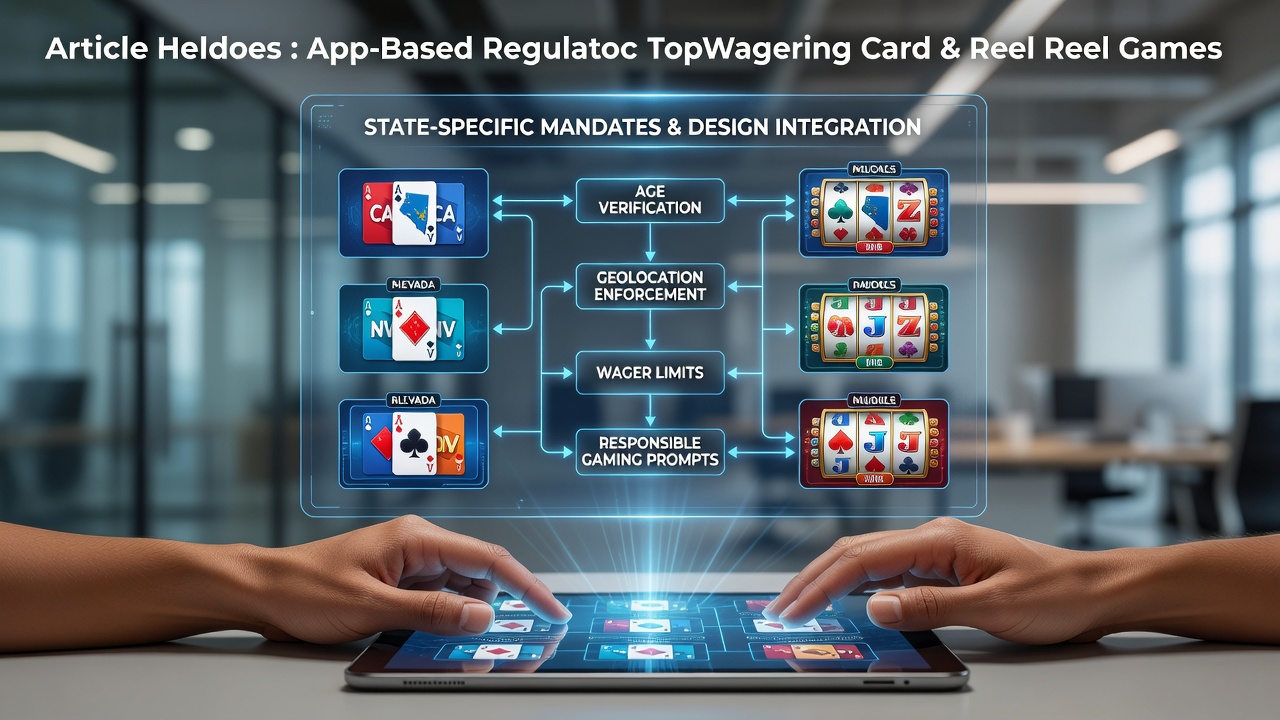
State regulatory bodies continue to dictate specific design requirements in app-based wagering tools that support card games and reel-based titles, with requirements varying sharply by jurisdiction as of November 2026. Developers must embed features such as session timers, deposit caps, and self-exclusion portals directly into the user flow, while ensuring these elements do not disrupt core gameplay loops in poker rooms or slot lobbies. Data from the New Jersey Division of Gaming Enforcement shows that platforms operating under its oversight incorporated at least four distinct player-protection modules into every licensed application during the first three quarters of 2026.
Design teams integrate these mandates through modular UI components that activate based on user location data. In states like Pennsylvania and Michigan, applications trigger pop-up reality checks after 30 minutes of continuous play in both digital card tables and video reel sessions, yet the same software deployed in Nevada allows operators greater flexibility on timing while still requiring visible links to voluntary exclusion lists. Observers note that these variations force developers to maintain separate code branches for each market, which increases testing cycles but maintains compliance across interstate networks.
Card Game Interfaces Adapt to Location-Based Controls
App features supporting poker and other card formats reflect state rules on hand history visibility and betting limit displays. Michigan regulations require real-time display of remaining session budgets within the poker client window, whereas Ohio standards focus on pre-game confirmation screens that summarize responsible gaming resources before any card dealing begins. Engineers achieve this by routing API calls through geofencing services that pull the appropriate rule set for the detected state, then render customized buttons and overlays without altering the underlying game engine.
One developer case involving a multi-state operator revealed that adding state-specific wager confirmation dialogs reduced average session length by 12 percent in regulated markets, according to internal metrics shared with the Pennsylvania Gaming Control Board. These dialogs appear as persistent footer elements in card game views, allowing players to adjust limits mid-session while preserving the flow of table play.
Reel Game Designs Incorporate Mandatory Safeguards
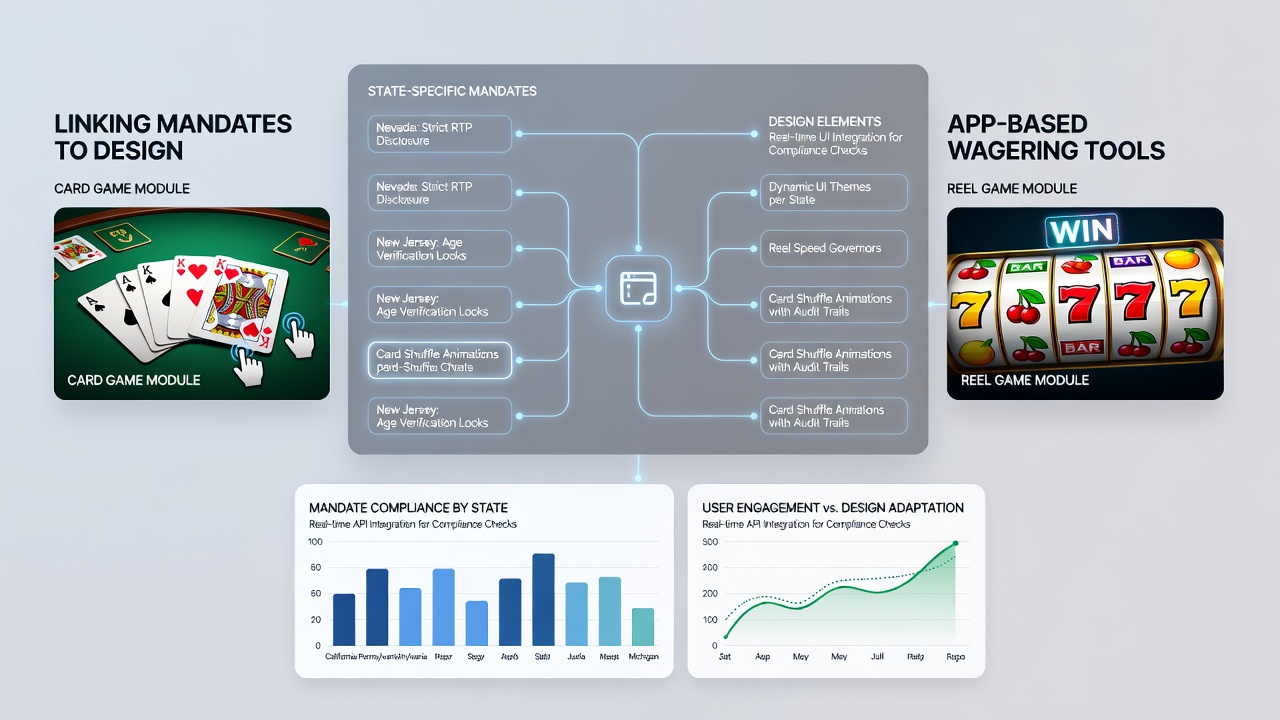
Slot applications face parallel constraints centered on spin-speed governors and loss-limit indicators. In jurisdictions such as West Virginia and Delaware, reel interfaces must pause after a predetermined number of consecutive spins and present a summary of net results before resuming, while other states emphasize persistent progress bars that track total wagers against daily caps. These elements sit alongside standard paytable and bonus round graphics, requiring careful layering so that compliance tools remain accessible yet non-intrusive during bonus sequences.
Research from the Canadian Gaming Association indicates that platforms serving both U.S. and Canadian markets standardized several interface modules in 2026 to handle differing provincial and state rules within a single codebase. The approach relies on conditional rendering that checks device GPS and IP data at launch, then loads the matching design package for reel animations and control panels.
Cross-State Development Patterns Emerge
Operators running applications in five or more states report allocating roughly 25 percent of their UI engineering resources to regulatory feature integration, according to figures released by the American Gaming Association. This allocation covers everything from color-coded risk indicators in poker lobbies to auto-dimming reel backgrounds when loss thresholds near. Teams often prototype these components in isolated sandboxes that simulate each state's rule set before merging changes into production builds.
November 2026 brought incremental updates in several markets, including expanded requirements for audible alerts on limit breaches in Illinois-licensed apps. These alerts trigger through the same audio channel used for game sound effects, ensuring players receive consistent feedback whether engaged in a card hand or reel spin sequence. Integration testing now includes automated checks that verify alert functionality across device types and operating systems.
Conclusion
State-specific mandates continue to drive iterative changes in the visual and interactive layers of mobile wagering tools for both card and reel formats. Developers maintain compliance by embedding location-aware modules that activate the correct set of controls, timers, and disclosures without compromising teh entertainment value of the games themselves. As additional jurisdictions refine their expectations, the pattern of tailored interface design remains a central consideration for any platform seeking multi-state availability.