The Interplay of Regional Licensing Rules and Algorithmic Reel Adjustments in Cross-State Mobile Slot Ecosystems
Written by Paul Hartmann · Aug 25, 2026
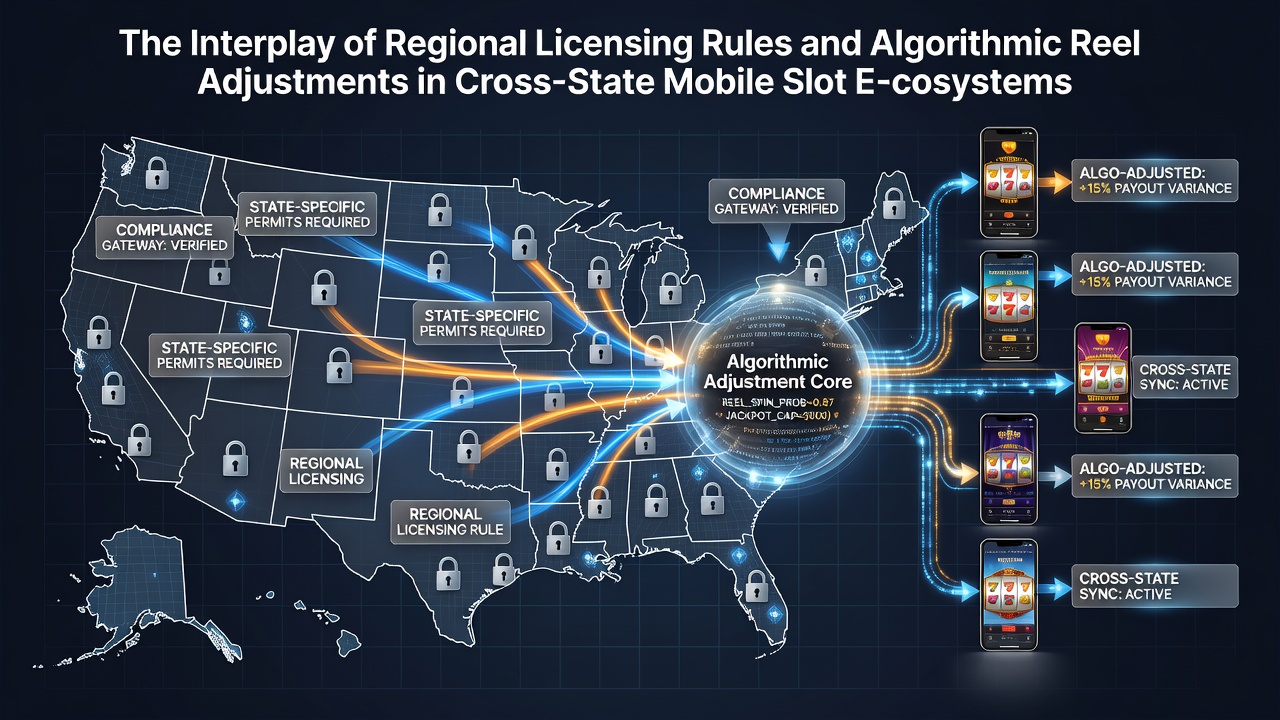
The Interplay of Regional Licensing Rules and Algorithmic Reel Adjustments in Cross-State Mobile Slot Ecosystems
Cross-state mobile slot platforms operate under a patchwork of licensing frameworks that force operators to recalibrate reel algorithms whenever users cross jurisdictional lines, and these adjustments affect everything from return-to-player percentages to feature frequency triggers. States maintain distinct rules on volatility caps, session time limits, and mandatory responsible gaming overlays, which means the same game title must shift its mathematical model based on detected location data.
Licensing Variations Across Key Jurisdictions
New Jersey requires licensed operators to embed real-time loss limit tools directly into reel mathematics while Pennsylvania emphasizes stricter controls on bonus round activation rates, and Michigan adds mandatory cooling-off periods that alter spin sequences after set thresholds. Operators respond by programming location-aware modules that detect user IP and GPS signals then apply the corresponding rule set within milliseconds of login. Data from teh American Gaming Association indicates that these layered requirements have expanded the number of distinct reel configurations maintained by major platforms to over 40 separate variants as of August 2026.
Platform engineers build conditional logic trees that reference each state's regulatory database at the start of every session, and this process ensures compliance without interrupting gameplay flow. When a player moves from one state into another the system pauses the current reel state, loads the new parameter set, and resumes with adjusted hit frequencies that match local standards.
Algorithmic Mechanisms Driving Reel Changes
Reel algorithms incorporate dynamic weighting tables that modify symbol distribution probabilities according to the active license, and these tables update through encrypted feeds from central compliance servers. In practice a slot that offers a 96.5 percent RTP in one jurisdiction might drop to 94 percent under another state's volatility ceiling, with the change occurring seamlessly through server-side switches rather than client updates. Observers note that such modifications often include altered wild symbol placement rates and modified scatter trigger chances to align with responsible gaming mandates.
Geofencing technology serves as the primary trigger for these shifts, using a combination of cellular tower triangulation and device sensors to confirm state boundaries within 50 meters of accuracy. Once location confirmation occurs the algorithm queries a rules engine that outputs the approved reel configuration, and this engine logs every adjustment for audit trails required by each licensing body.
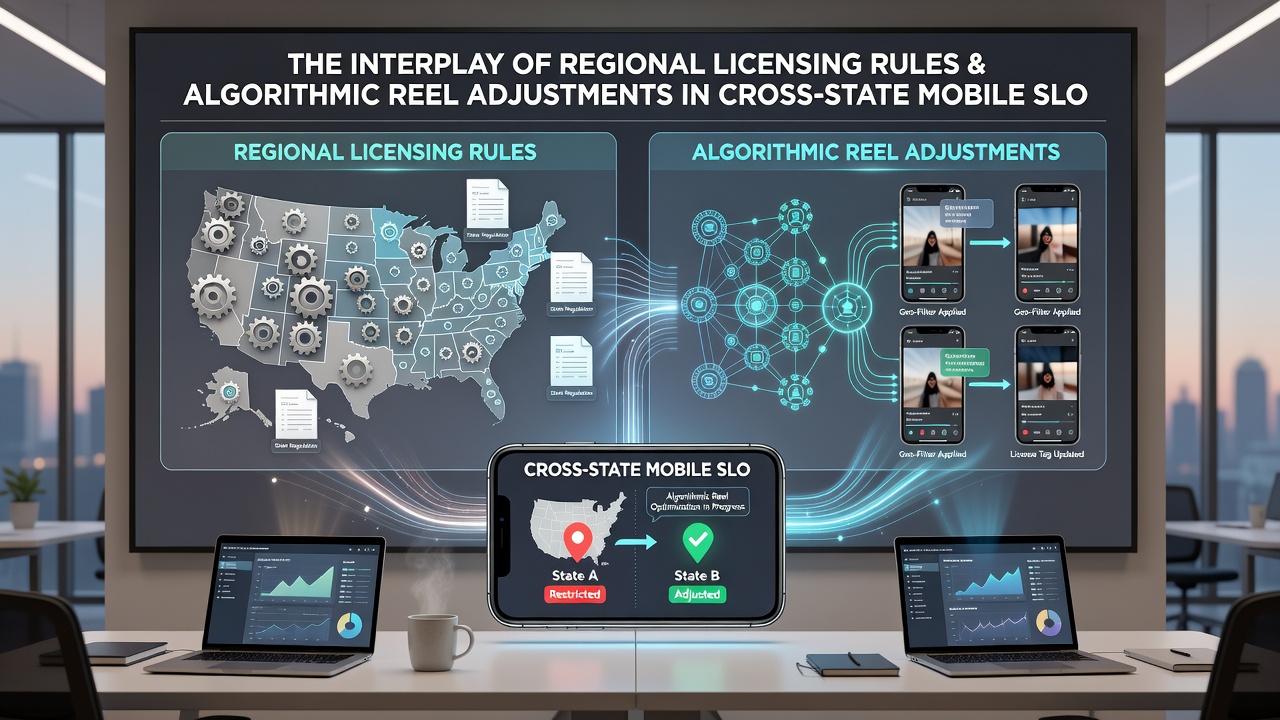
Developers frequently test these systems through simulated cross-border sessions that replicate real-world latency conditions, and the results feed back into refinement cycles that minimize any perceptible change to the player experience. Research indicates that successful implementations reduce compliance violations by integrating predictive location modeling that anticipates user movement patterns along major interstate corridors.
Integration with Responsible Gaming Protocols
State rules often mandate that reel adjustments incorporate player protection features such as automatic bet size reductions after extended play sessions or randomized pop-up interventions during high-volatility sequences. These elements embed directly into the core random number generator rather than functioning as separate overlays, which creates tighter coupling between licensing requirements and game mathematics. Platforms track cumulative session metrics across state lines and apply the strictest applicable protocol when conflicting rules exist between jurisdictions.
One documented approach involves progressive dampening of reel variance as users approach daily loss thresholds, a method that several multi-state operators adopted following guidance from the Illinois Gaming Board in early 2026. Such techniques rely on continuous data streams that update the algorithm every few spins to reflect both location and behavioral indicators.
Technical Infrastructure Supporting Cross-State Operations
Backend systems maintain parallel databases for each licensed state with version-controlled algorithm profiles that operators can deploy instantly upon location change detection. Cloud-based orchestration tools handle the distribution of these profiles while maintaining end-to-end encryption to satisfy data security standards embedded in most licensing agreements. Network latency measurements from August 2026 show average adjustment times under 120 milliseconds across major carriers, a figure achieved through edge computing nodes positioned near state borders.
Testing protocols require operators to demonstrate that reel adjustments produce statistically identical outcomes to pre-approved models before deployment, and third-party labs conduct periodic reviews to verify ongoing compliance. These reviews examine thousands of simulated spins under each jurisdictional profile to confirm that symbol distribution matches regulatory filings.
Conclusion
The interaction between regional licensing rules and mobile slot algorithms continues to shape how operators structure their technical architectures, and the resulting systems deliver location-specific gameplay while preserving core entertainment value. As additional states authorize mobile slots the number of required configurations will likely grow, prompting further investment in automated compliance engines and refined geofencing precision. Figures from industry reports show that platforms managing these complexities report higher operational costs yet achieve broader market access across state lines.